
 Sally
Sally Kiwis, also known as Chinese gooseberries, are a delicious and nutritious tropical fruit that can add a burst of flavour and colour to many sweet dishes. We love kiwis in fruit salads, fruit smoothies or simply as a yummy and healthy snack. They are so versatile. But do you find they go from rock hard to squishy in an instant? If so, I’ve got some tips on how you can store your kiwis better to ensure they are at their peak ripeness when you want to eat them. In my experience, eating a ripe kiwi is one of the nicest fruits to enjoy as part of a healthy diet. So let’s look at how long do kiwis last in the fridge. Also, I’ll give you some tips on how to store unripe and ripe kiwis which will extend the shelf life of these vibrant green-fleshed fruits.
How Long Do Kiwis Last In The Fridge?
Kiwis, like many other fruits, produce ethylene gas, which plays a crucial role in the ripening process. Ethylene gas is a natural plant hormone that triggers the ripening of fruits, making them softer and sweeter. Understanding this process can help you manage the ripeness of your kiwis and ensure you enjoy them at their best quality.
Unripe Kiwis
Unripe kiwis are firm and less sweet, with a tart flavour. If you purchase unripe kiwis from the supermarket, farm shop or farmer’s market, you can speed up the ripening process by placing them in a brown paper bag along with other ethylene-producing fruits like apples or bananas. This method helps concentrate the ethylene gas around the kiwis, accelerating their ripening. In my experience, this is the quickest way to get your kiwis from being unripe and unpleasant to eat, to edible in the shortest time possible.
Storing Kiwis at Room Temperature
Room Temperature Storage
If you plan to consume your kiwis within a few days, storing them at room temperature is an easy way to ripen them. Place the unripe kiwis in a fruit bowl away from direct sunlight. Check them daily for ripeness by gently pressing the skin of the kiwi with the palm of your hand. When they yield slightly to pressure, they are ripe and ready to eat.
The Best Place for Ripening
For optimal results, choose a cool, dry place for ripening kiwis at room temperature. Avoid areas with high humidity, as excess moisture can lead to mould growth and spoilage. A kitchen countertop or a pantry shelf is an ideal spot for ripening kiwis.
Storing Ripe Kiwis in the Fridge
Refrigeration for Longevity
Once your kiwis are ripe, the best way to extend their lifespan is by storing them in the fridge. Refrigeration slows down the ripening process and helps maintain the quality of the fruit for a longer time. Here’s how to store ripe kiwis in the fridge for maximum freshness:
Whole Kiwifruit
Place whole ripe kiwifruit in the crisper drawer or fruit drawer of your refrigerator. This area provides the ideal humidity level for keeping fruits fresh. Whole kiwis can last in the fridge for up to two weeks.
Cut Kiwi
If you’ve cut your kiwi into slices or small cubes, store the kiwi pieces in an airtight container. This helps prevent moisture loss and keeps the fruit from absorbing odours from other foods. Cut kiwis can stay fresh for up to five days when stored properly. I’d suggest using a glass jam jar or glass container as these will keep your kiwis fresher for longer.
Preventing Moisture Loss
To prevent moisture loss and maintain the juiciness of your kiwis, use a tightly sealed jam jar, heavy-duty freezer bags or plastic bags with a zipper seal. These jars or bags create a barrier that reduces exposure to air, which can cause the fruit to dry out.
Freezing Kiwis for Long-Term Storage
Preparing Kiwis for Freezing
If you have an abundance of kiwis and want to store them for an extended period, freezing is an excellent option. Here’s how to prepare and freeze kiwis to enjoy their delicious flavour all year round:
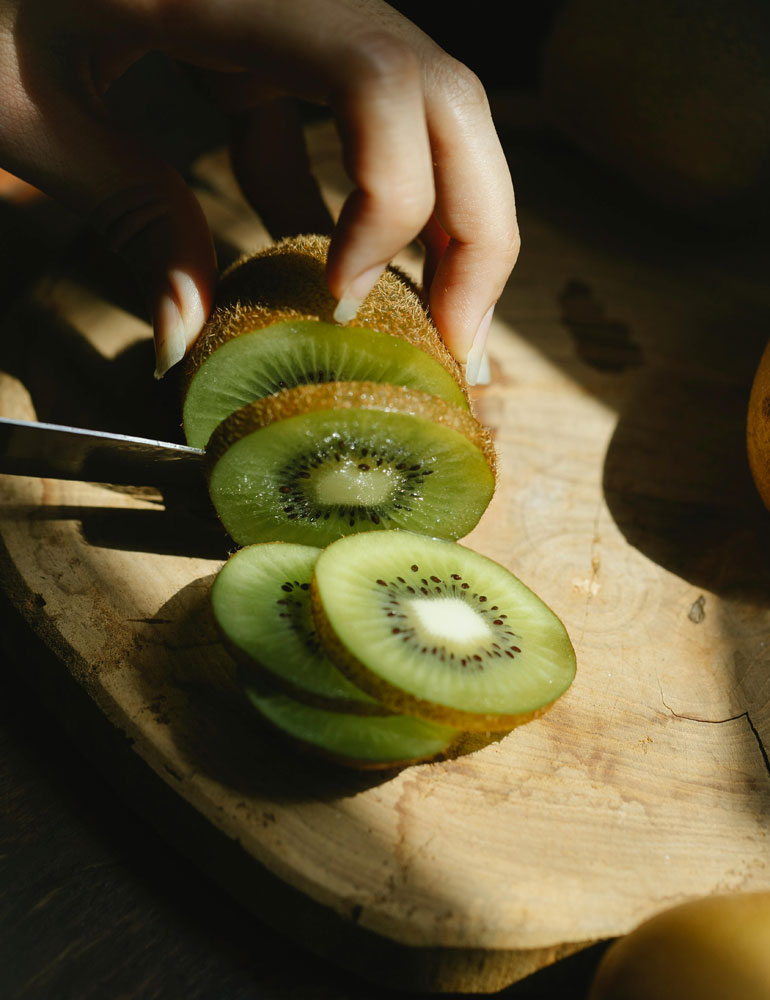
Peel and Slice: Start by peeling the fuzzy brown skin of the kiwis. Cut the fruit into slices, small cubes, or your preferred size.
Flash Freezing: Place the kiwi slices or pieces on a baking sheet lined with parchment paper. Ensure the pieces are not touching each other to prevent clumping. Place the baking sheet in the freezer and allow the kiwis to freeze for 2-3 hours.
Transfer to Freezer-Safe Bags: Once the kiwi pieces are frozen, transfer them to freezer-safe bags or airtight containers. Label the bags with the date to keep track of their storage time. Frozen kiwis can last for up to 10-12 months in the freezer. These will be perfect for quick fruit salads, or just defrosting for a healthy snack. If you like to make smoothies, I find that you can blend them straight from the freezer with other fruits and juices to make a delicious refreshing and nutritious drink.
Preventing Freezer Burn
To prevent freezer burn, which can affect the texture and flavour of the fruit, use heavy-duty freezer bags or vacuum-sealed bags. Removing as much air as possible from the bags before sealing them also helps protect the kiwis from freezer burn.
Creative Ways to Enjoy Kiwis
Kiwi in Fruit Salads and Platters
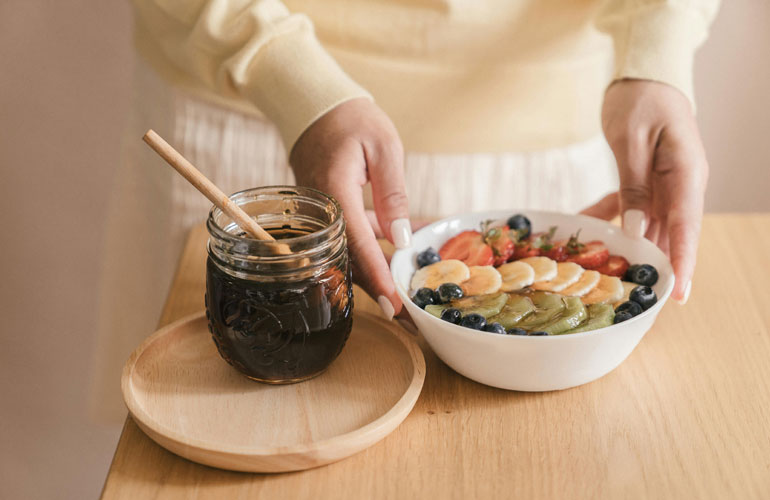
Kiwis add a vibrant colour and refreshing taste to fruit salads and platters. Combine kiwi slices with other fresh produce like strawberries, blueberries, and oranges for a visually appealing and delicious fruit platter. The black seeds and vibrant green flesh of the kiwi make it a standout addition to any dish.
Healthy Snack and Sweet Treats
Ripe kiwis are perfect for a healthy snack or a sweet treat. Enjoy them on their own or pair them with other fruits, yoghurt, or granola for a nutritious and satisfying snack. Kiwis are rich in vitamin C, fibre, and antioxidants, making them a great choice for a healthy diet.
Breakfast Smoothies and Juices
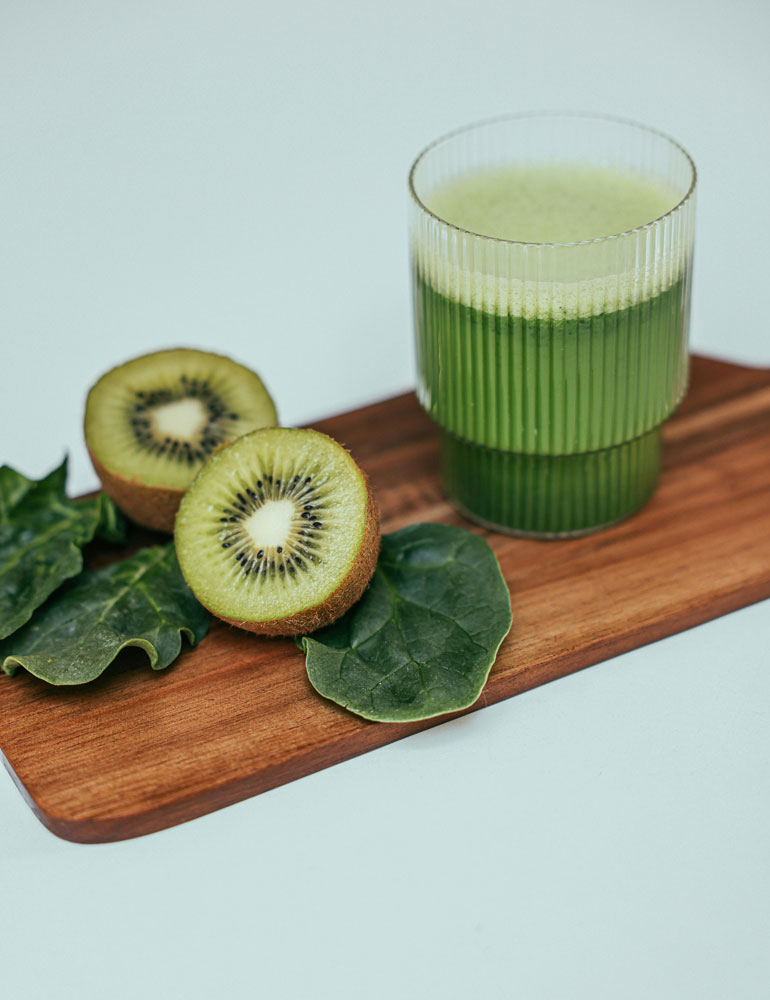
Add kiwis to your breakfast smoothies and juices for a tropical twist. Blend kiwi with other fruits like bananas, mangoes, and spinach for a nutrient-packed smoothie. I find that the juicy fruit and vibrant flavour of kiwis make them an excellent addition to my smoothie recipes.
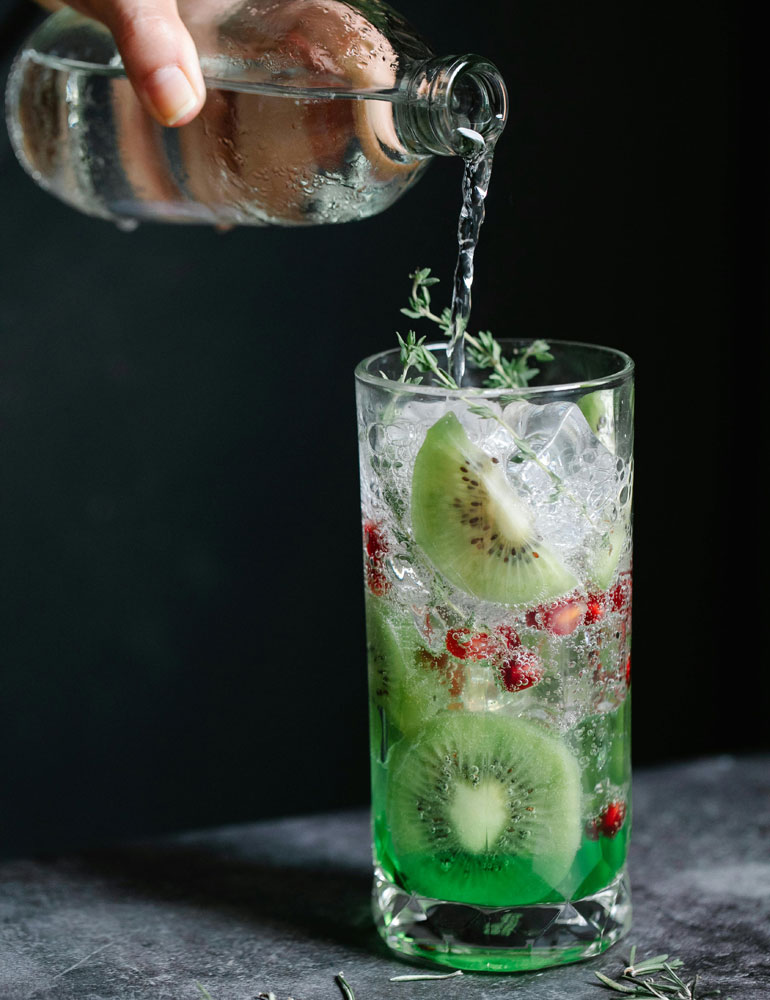
Baking and Desserts
Kiwis can also be used in baking and desserts. Top cakes, tarts, and pavlovas with kiwi slices for a fresh and colourful garnish. The sweet and tangy flavour of kiwis complements a variety of desserts, making them a versatile ingredient in your baking repertoire.
Tips for Choosing the Best Kiwis
Selecting Ripe Kiwifruit
When selecting kiwis at the supermarket or farm shop look for fruits that are plump and slightly soft to the touch if you plan on eating them straight away. Avoid kiwis with mushy spots or an off smell, as these are signs of overripe or spoiled fruit. The best quality kiwis will have vibrant green flesh and a pleasant aroma.
Handling and Storing with Extra Care
Handle kiwis with care to avoid bruising and damage. The skin of the kiwi is delicate, and rough handling can lead to mushy spots and spoilage. Store kiwis in a way that minimizes pressure on the fruit, especially if they are ripe and ready to eat.
The Lifespan of Kiwi: How Long Do Kiwis Last In The Fridge?
Room Temperature Lifespan
Unripe kiwis can last at room temperature for up to a week, depending on the temperature and humidity levels. In the hotter, summer months, a kiwi will spoil more quickly than in the cooler winter months. Once ripe, kiwis should be consumed within a few days if left at room temperature to enjoy their best flavour and texture.
Refrigerated Lifespan
Ripe kiwis stored in the fridge can last for up to two weeks. For cut kiwis, the refrigerated lifespan is shorter, typically up to five days. Proper storage in airtight containers or plastic bags can help extend their freshness.
Frozen Lifespan
Frozen kiwis can last for up to 10-12 months. While the texture may change slightly after freezing, the flavour and nutritional value remain largely intact. Frozen kiwis are perfect for smoothies, baking, and other bakes where texture is less critical. Have you ever had kiwi jam?
Kiwi Varieties and Their Characteristics
Green Kiwis
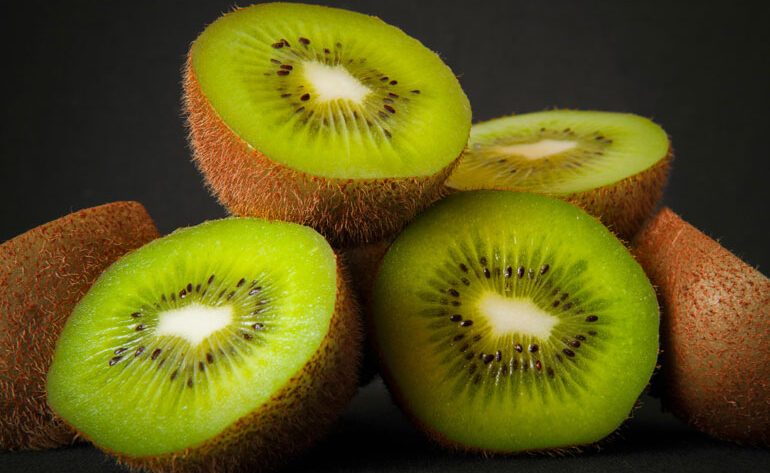
Green kiwis are the most common variety and are easily recognizable by their fuzzy brown skin and vibrant green flesh. They have a tangy-sweet flavour and are packed with nutrients, including vitamin C, vitamin K, and potassium.
Gold Kiwis
Gold kiwis have smooth, hairless skin and golden flesh. They are sweeter and less tangy than green kiwis, making them a favourite for those who prefer a milder taste. Gold kiwis are also rich in vitamins and antioxidants, offering a slightly different nutritional profile compared to green kiwis.
Kiwi Berries
Kiwi berries are a smaller, grape-sized variety of kiwi with smooth, edible skin. They are convenient for snacking and have a sweet, juicy flavour similar to traditional kiwis. Kiwi berries are often eaten whole, making them a hassle-free option for enjoying the delicious taste of kiwis. Kiwis are such a versatile and delicious fruit that can be enjoyed in so many different ways. I hope this has helped you understand what makes kiwis go from good to bad and also given you some tips on how to store your kiwis. By understanding the ripening process and the best storage methods, you will find that you can extend the shelf life and quality of your kiwis. Whether you store them at room temperature, refrigerate them, or freeze them, taking extra care to handle and store your kiwis will ensure you enjoy their deliciousness and nutritional benefits for a longer time.
Other posts to read –
DIY Sensory Activities For 8 Month Old
Good Morning Love Poems For Him
Songs About Running Away From Love


